Request Call Back
Share
Reserve
Yoga Teacher Training · 200 Hrs Yoga Teacher Training

200 Hours Yoga Teacher Training Course

· Hosted by Ruh yoga
Yoga Teacher Training

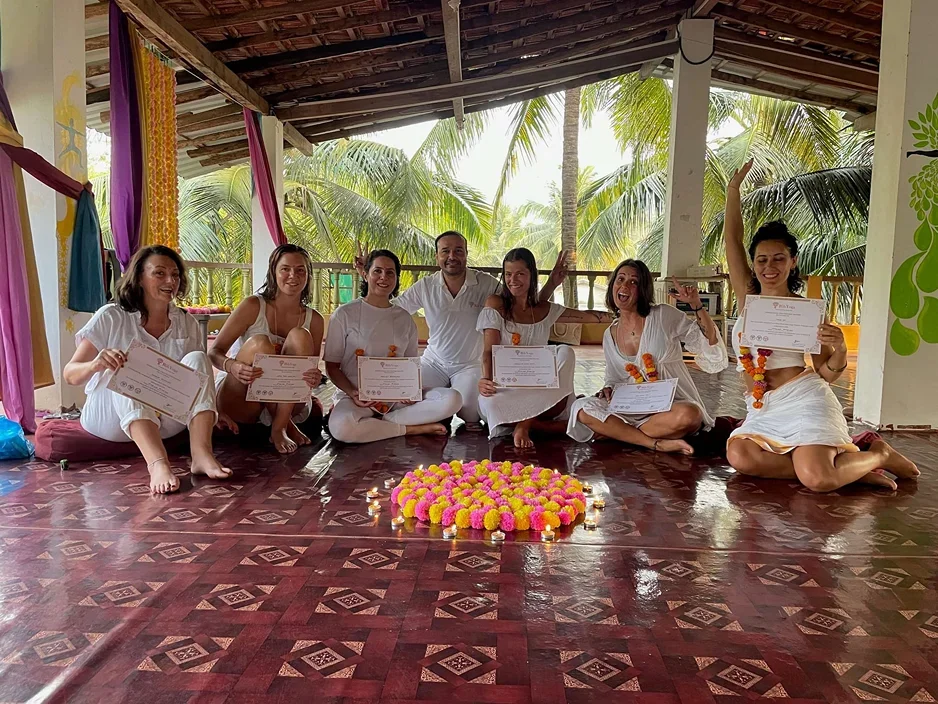
Our 200h yoga teacher training goa course is an immersion in all aspects of yoga Body, Heart and Mind not just its physical and therapeutic aspects, each presented in a very practical, integrated and grounded way for deep insights into yoga as a living art and spiritual awakening.

We preach personal approach our yoga teacher training in Goa is not more than 12 people in a batch to give enough attention to every one in the group. Yoga has been evolving and adapting to the needs of the Practitioners so is our yoga training which uses the best approach in training the students in modern way but staying true to the roots of yoga.

Daily Schedule

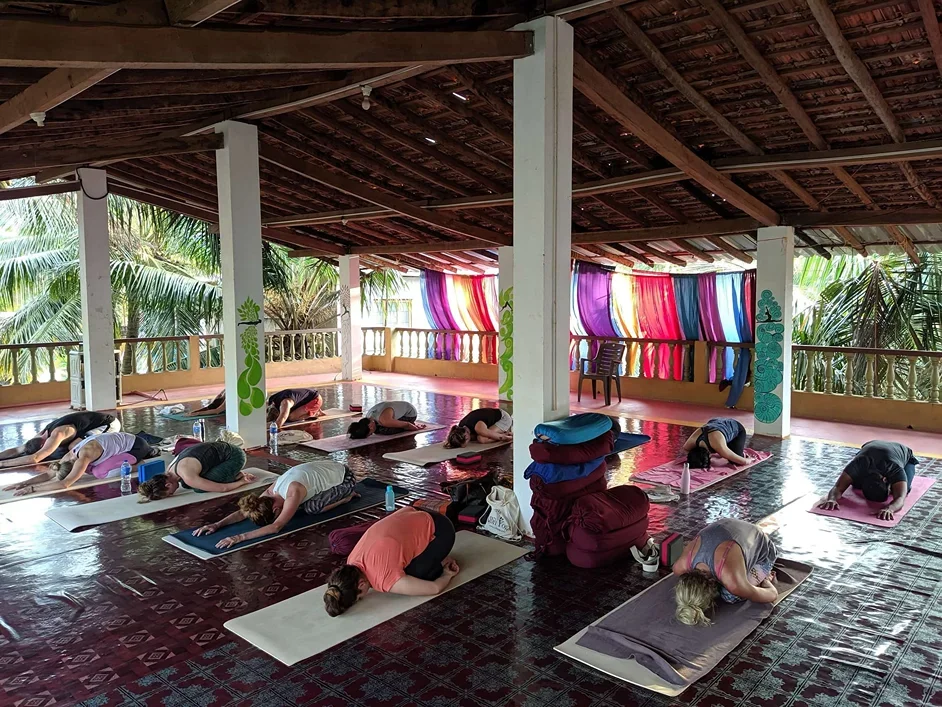
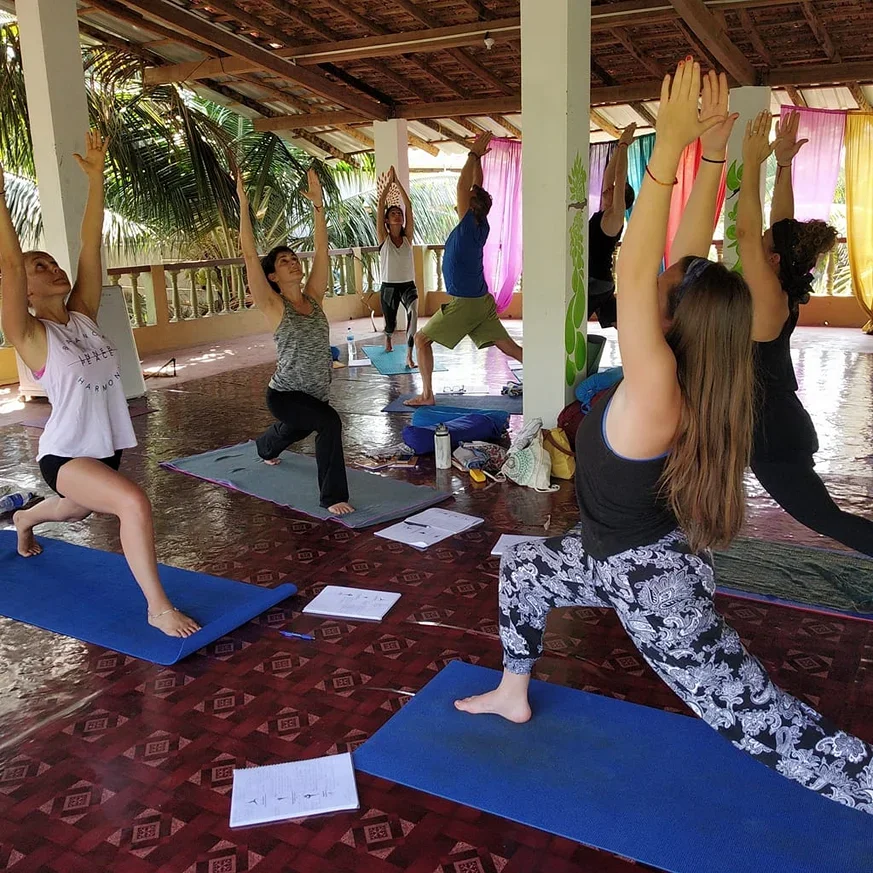
06:30 AM – 08:30 AM Hatha Yoga & Pranayama, Meditation/Chanting

08:30 AM – 09:30 AM Breakfast

10:00 AM – 11:15 AM Yoga Philosophy

11:30 AM – 01:00 PM Practical theory analyzing different postures key Alignments Adjustments, Teaching practice

01:00 PM – 03:30 PM Lunch rest

03:30 PM – 04:25 PM Anatomy and Physiology/Yoga Nidra

04:45 PM – 06:15 PM Vinyasa/Ashtanga/Yin

06:45 PM Tratak

07:30 PM Dinner

Above represent the daily schedule for 200h yoga teacher training goa Course by Ruh yoga Goa it is subject to change with notice from the yoga school

At a Glance

  • 200h yoga teacher training goa course fee
  • 3 Meals Daily
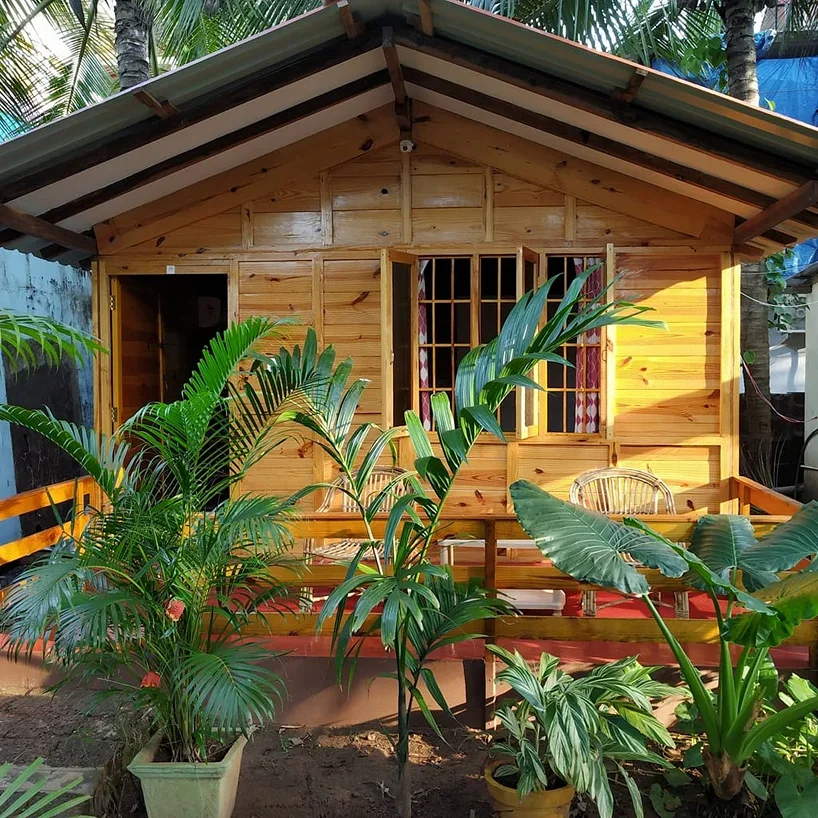
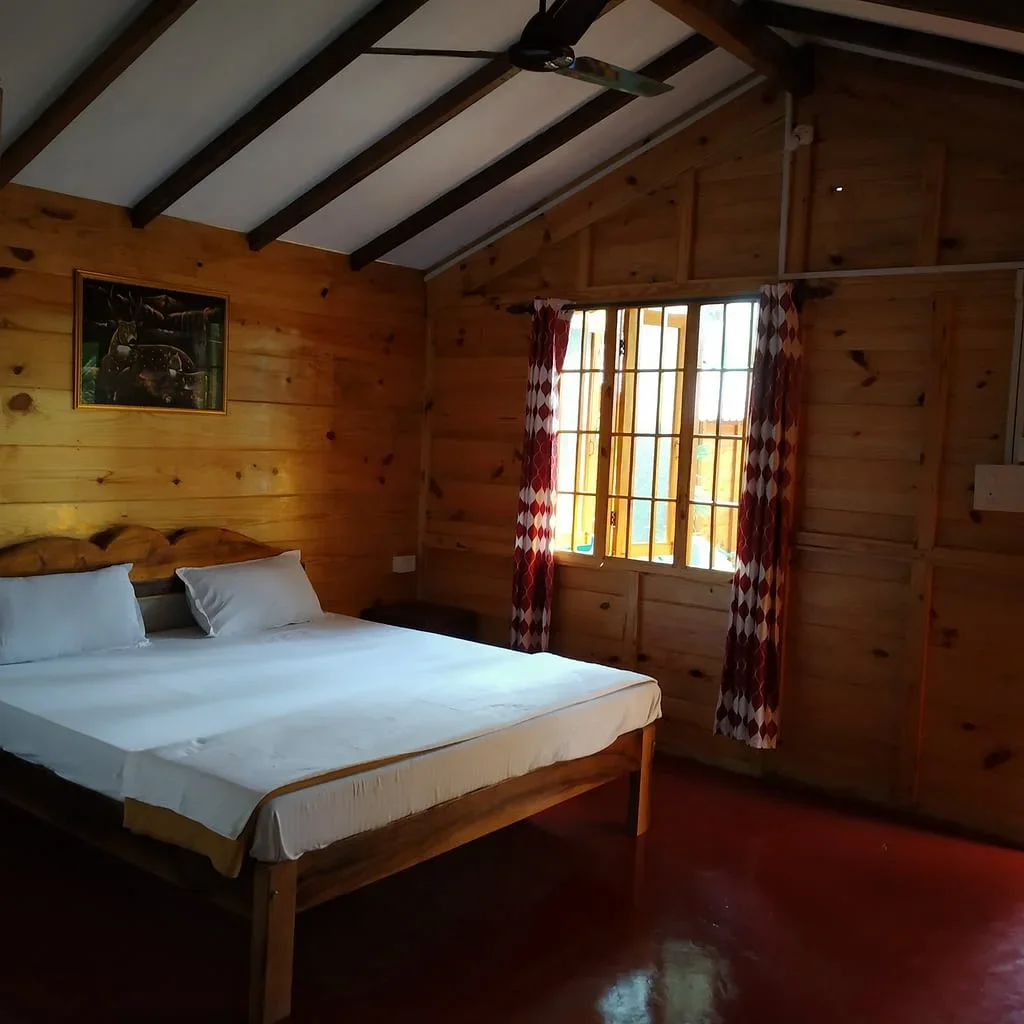
  • Pine wood huts with balcony A/c and Non A/c
  • Private bathroom room western toilet
  • Comfortable mattress and pillow
  • Blanket and mosquito net
  • Toilet paper
  • Weekly once house keeping

Included

  • 200h yoga teacher training goa course fee
  • 3 Meals Daily
  • Pine wood huts with balcony A/c and Non A/c
  • Private bathroom room western toilet
  • Comfortable mattress and pillow
  • Blanket and mosquito net
  • Toilet paper
  • Weekly once house keeping

More Details

200h yoga teacher training goa course

A solid foundation to teach yoga, inspire others and deepen your own personal practice.

What are we teaching?

The focus of 200h yoga teacher training Goa Course is to provide students with applied knowledge of anatomy, alignment and assists with a deep focus on yoga philosophy.

How will it help you ?

This 200h yoga teacher training goa Course will help you to bring out your creativity, to find your voice and to give you the confidence to teach, educate and inspire students from a powerful yoga foundation.

Whom is this for ?

200h yoga teacher training goa Course is appropriate for the serious student who would like to start teaching yoga, as well as the student who would like to deepen their own knowledge & personal practice.

What will you get doing the yoga teacher training ?

You will come away with a deeper understanding of the physical and spiritual side of yoga that combines together to create an exceptional yoga teacher.

Who all can do it ?

Our 200h yoga teacher training goa Course is designed for all who want to learn and pursue yoga and is accessible for all yoga enthusiast from Homemakers, working professionals, artists, dancers of all ages, even if it’s just for your own understanding or making it your personal practice not necessarily to become a yoga teacher


Philosophy content

  • Meaning of yoga, upanishad concepts, history
  • Ayurveda – The 5 great elements
  • The 3 Gunas
  • Pancha Pranas
  • Pancha koshas – The 5 layers of the body
  • Four paths of yoga ( Jnana, Raja, Bhakti, Karma Yoga)
  • Hatha yoga
  • Nadis (energy channels)
  • Chakras, kundalini
  • Vedas and six systems of Indian philosophy
  • Ashtanga yoga – Raja Yoga
  • Yoga sutras
  • Aim of yoga
  • Modification of mind
  • Afflictions of mind
  • Eight limbs of yoga
  • Obstacles on the path of yoga
  • Physical and mental disturbances caused by an un-concentrated mind, means to overcome obstacles,
  • Methods to control the modifications of mind.
  • Life style and ethics for a yoga practitioner and teacher.
  • How yoga could be applied in our daily lives not just practicing yoga but applying it living life at its best more by being present

Anatomy

  • Includes human physical anatomy and physiology (bodily systems, organs, etc.)
  • Includes both the study of the subject and application of its principles to yoga practice (benefits, contraindications, healthy movement patterns, etc).
  • Practical anatomy with a major emphasis on muscular and skeletal structures and in depth study of anatomical and skeletal differences i.e. compression, tension, and proportion and orientation theory.
  • Introduction and different body systems.
  • Skeletal system, muscular system, connective tissue, nervous system, major joints of the body.
  • 8 major joints of the body and its importance.
  • Breathing and respiratory system.

Hatha yoga

  • Hatha yoga is one of the ancient style of yoga through which all other styles have emerged, we will go through
  • What is Hatha Yoga
  • Each posture key alignments
  • How to move into the posture and how to come out of it
  • When to breathe in and breathe out of it
  • Contra-indications benefits and also
  • How to sequence the postures
  • How to use props and to do adjustments in the postures
  • Learning Sanskrit names of postures to both expand your knowledge and enhance your professional skills


Vinyasa flow/Power Yoga

Vinyasa flow is most popular and dynamic style of yoga which involves moving from one posture to another in a flow which is great to work on different group of muscles

  • Principles of sequencing and teaching a Vinyasa Flow class.
  • Transition from posture to posture with breath
  • Sequence according to the need of the students or the class
  • How to instruct and demonstrate the flow

Ashtanga yoga

  • Introductions and history
  • The elements of Ashtanga yoga:
  • Vinyasa – breath-synchronized movement
  • Ujjayi Pranayama – victorious breathing
  • Bandhas – inner locks
  • Drishti – gaze points
  • Primary series – Sun salutations, standing series, seated series, finishing sequence

Yin Yoga

  • Introduction to yin yoga
  • Why we do yin yoga
  • Theory of yin/yang

Practical/Asanas

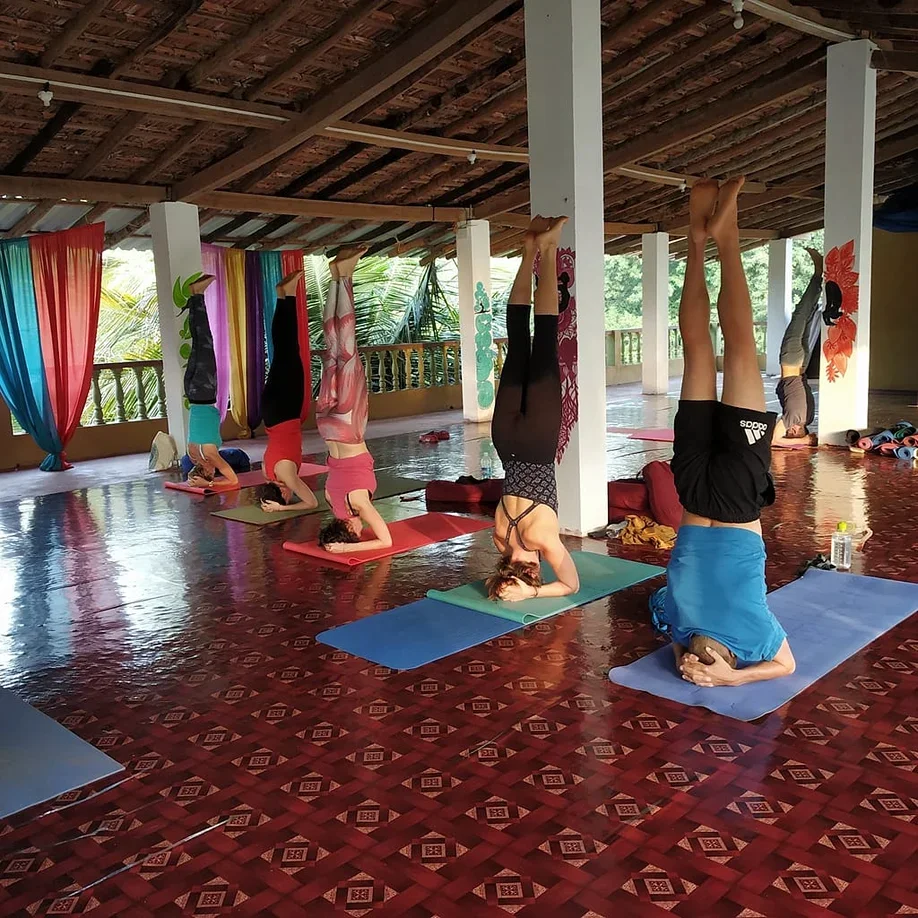
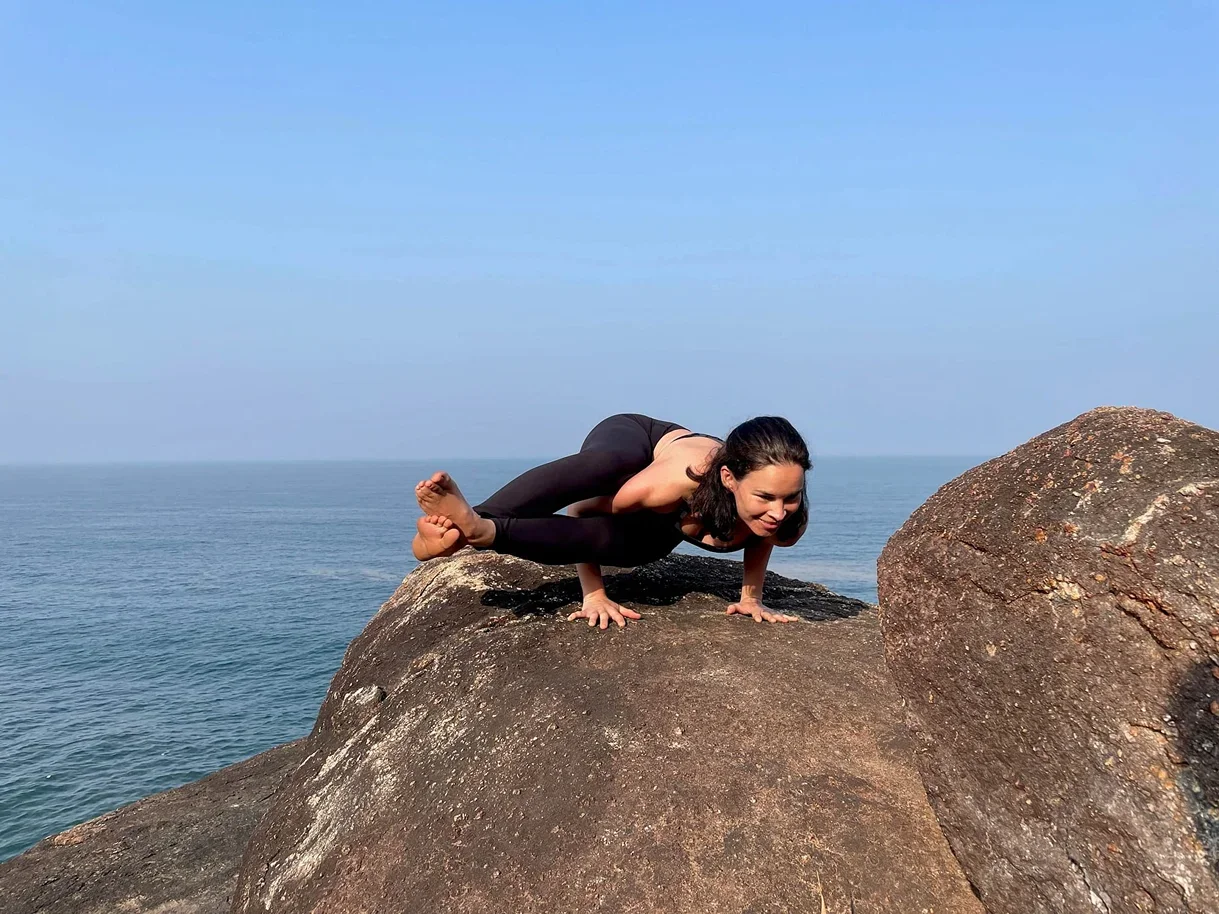
  • Practice techniques of 100 postures which includes standing postures, seated, back bending, core, inverted, arm balances and restorative will go through each posture of different group individually to have clear knowledge Modifications, other variations and advance variation of all postures.
  • Practical theory: Corrections, modifications and variations are taught with each posture to make your practice easy plus to offer variations when you teach.

Teaching Practice

  • Includes practice teaching, receiving feedback, observing others teaching, hearing and giving feedback. Also includes assisting students while someone else is teaching.
  • Students get to teach every day from day one. You will teach at least  15 – minutes everyday.
  • You may also teach at least one full open class during the course.
  • Regular feedback are given by teachers and fellow students about your teaching so that you can improve and find your unique voice and style as a teacher.
  • You will learn to give hands on adjustment.

Teaching methodology and technique

  • Principles of demonstration
  • Observing, assisting and correcting
  • Instruction, teaching styles, qualities of a teacher
  • Voice Modulation, floor presence
  • Sequencing and structuring a class
  • Alignment and hands-on-adjustment
  • Dealing with injuries and safety precautions
  • Business aspects of teaching yoga

Pranayama – Breathing techniques

  • Introduction on Prana
  • Pranic body
  • Different types of prana
  • Anatomy of breathing
  • Types of pranayama
  • Nadi-Shodhana (Alternate Nostril Breathing)
  • Sheetali & Sheethkari (Cooling Breath)
  • Bhramari (Humming Bee Breath)
  • Ujjayi (The Victorious Breath)
  • Bhastrika (Bellows Breath)
  • Kapalbhati (Frontal Brain Cleansing Breath)

Bandhas (Energy locks)

  • Introduction on Bandhas
  • Jalandhara Bandha – Throat lock
  • Mula Bandha – Root lock
  • Uddiyana Bandha – Abdominal lock
  • Maha Bandha – The great lock

Kriya – Yogic cleansing techniques

  • Jala Neti Nasal cleansing.

Business aspect of yoga

  • Career as a teacher
  • Setting up your own studio, school or business
  • Marketing strategy, advertising and PR
  • Ethics in yoga business
  • Building network with other yoga teachers, schools , studios and retreats

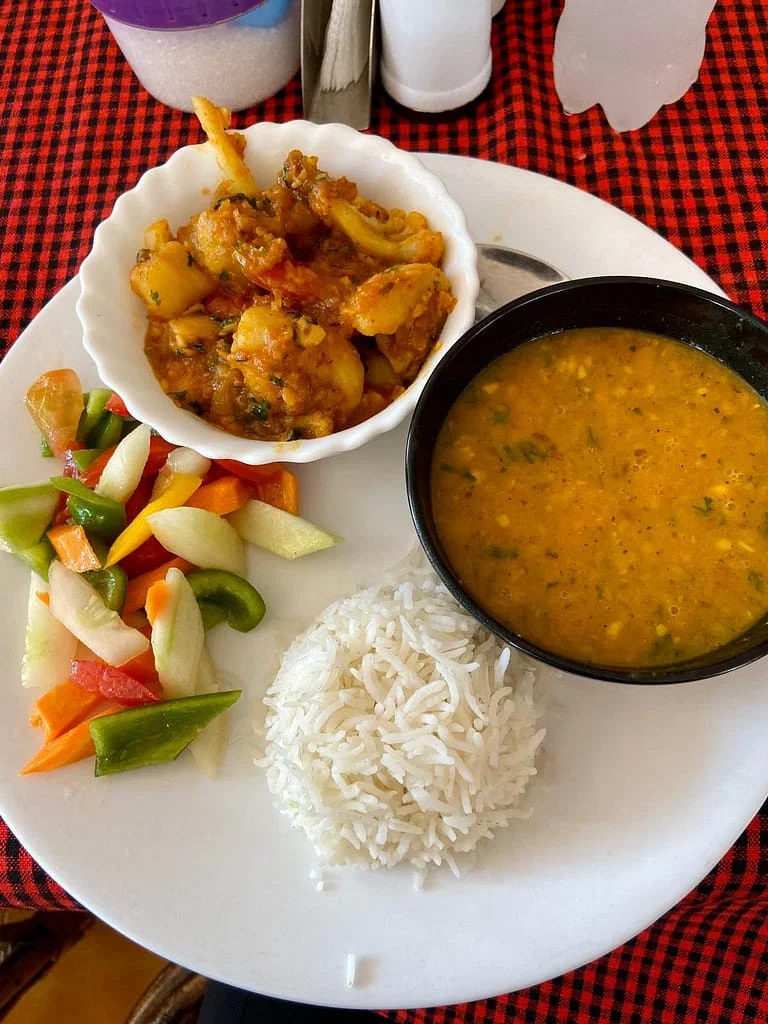
Food & Dining

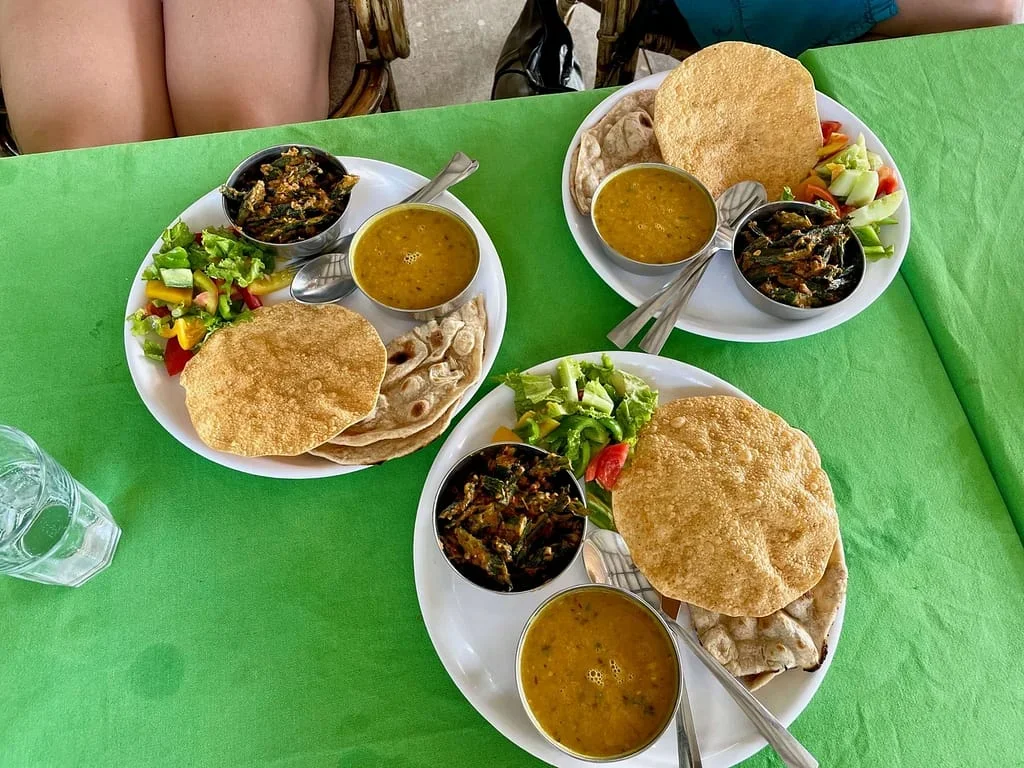
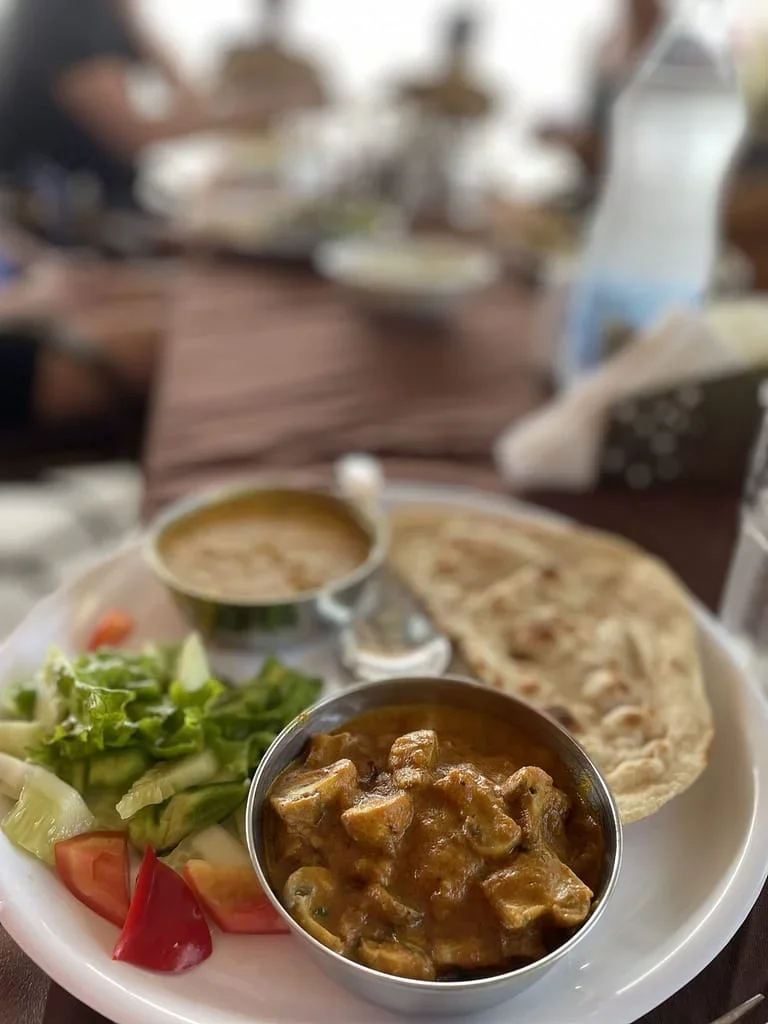
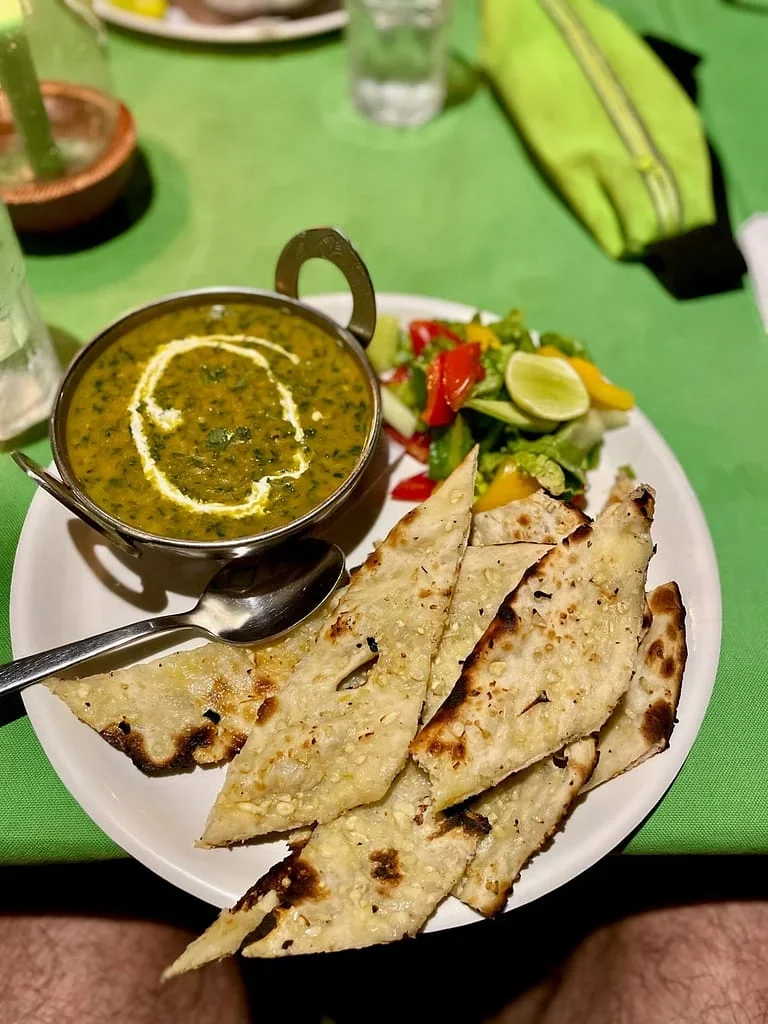
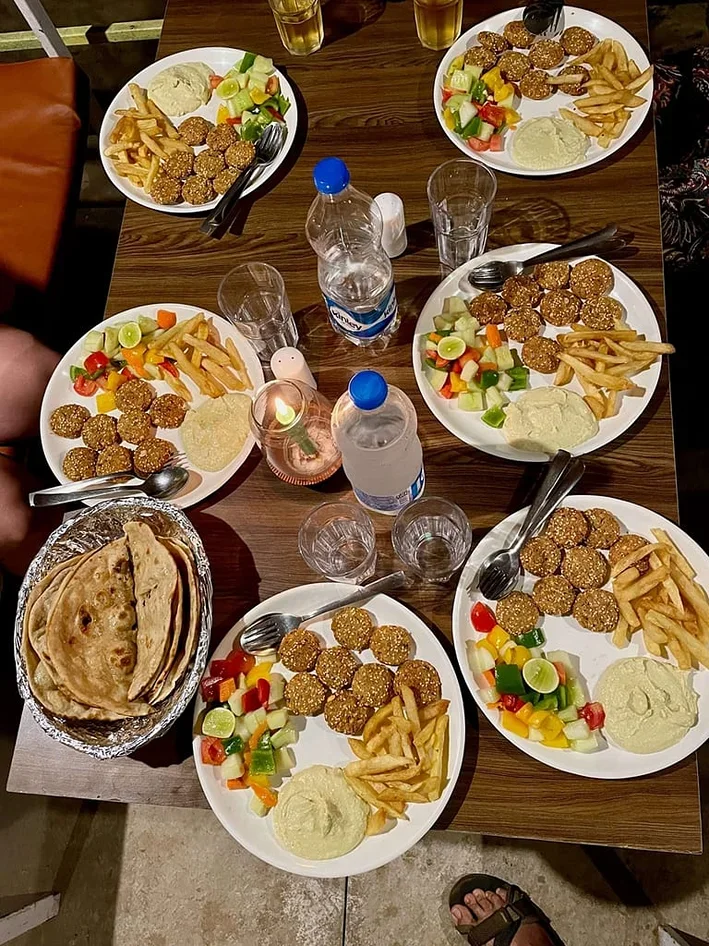
Food is the only source of energy to our body and we have given the top priority by providing nutritious and healthy food in our yoga training in goa.

Payment & Cancellation Terms

Cancellation Policy

The course fee including the deposit of 300 Euros is strictly non-refundable, non-cancellable and non-transferable. If you need to cancel the course due to unavoidable reasons the booking amount can be adjusted/used in any future course you do with us within one year from the date of booking. To reschedule your course you must inform us at least two weeks before your course start date otherwise you may lose your booking amount fee entirely.

Flexible Dates Available

Reserve This Retreat

Price -
Booking Amount -
Message Sent Successfully..